
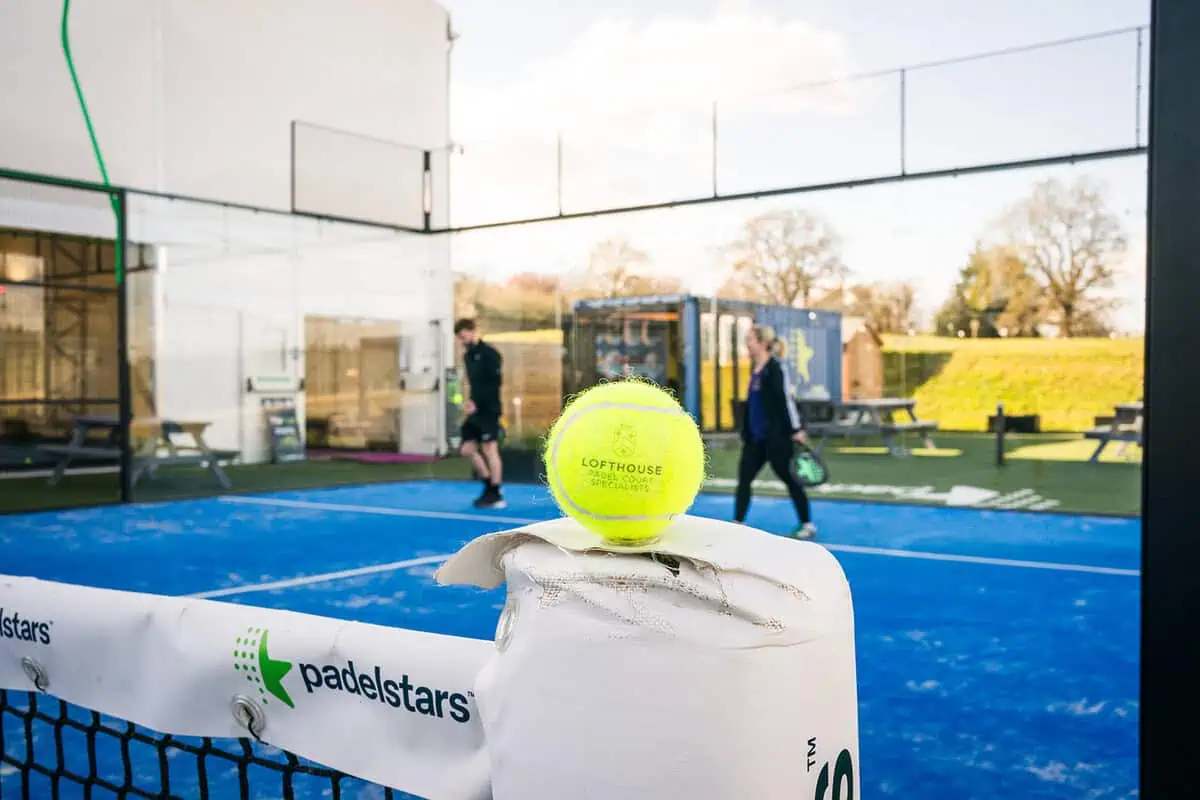
Padel Court Construction

Lofthouse specialises in padel court construction, meticulously planning and designing each project with precision. Padel is often called padel tennis, and a padel tennis court is the same thing — built to the same official dimensions, whichever name you use. Evaluating the available space and layout is essential for seamlessly integrating the court into its surroundings, considering key factors such as orientation, landscape, and accessibility.
A well-designed court enhances both aesthetics and functionality. By adhering to official regulations, including precise court dimensions and wall placement, we ensure a professional and high-quality build. Thoughtful planning guarantees an exceptional playing experience. Lofthouse is a member of SAPCA, the Sports and Play Construction Association — the trade body the LTA points venues to when choosing a padel court builder.
Watch a Padel Court Take Shape
A time-lapse of one of our builds, from the first dig to the finished courts.
Choosing the Right Location for Your Padel Court
When planning padel court construction, it’s essential to assess factors such as sunlight exposure, wind direction, and proximity to nearby structures.
The optimal location should allow ample natural light while minimising wind interference. Privacy and noise levels also play a key role in the playing experience, making a quiet, secluded area ideal.
Accessibility is another crucial consideration—convenient access to parking and facilities enhances usability. By carefully evaluating these elements, padel court builders can create a premium playing environment.
Selecting the Best Materials for Your Padel Court
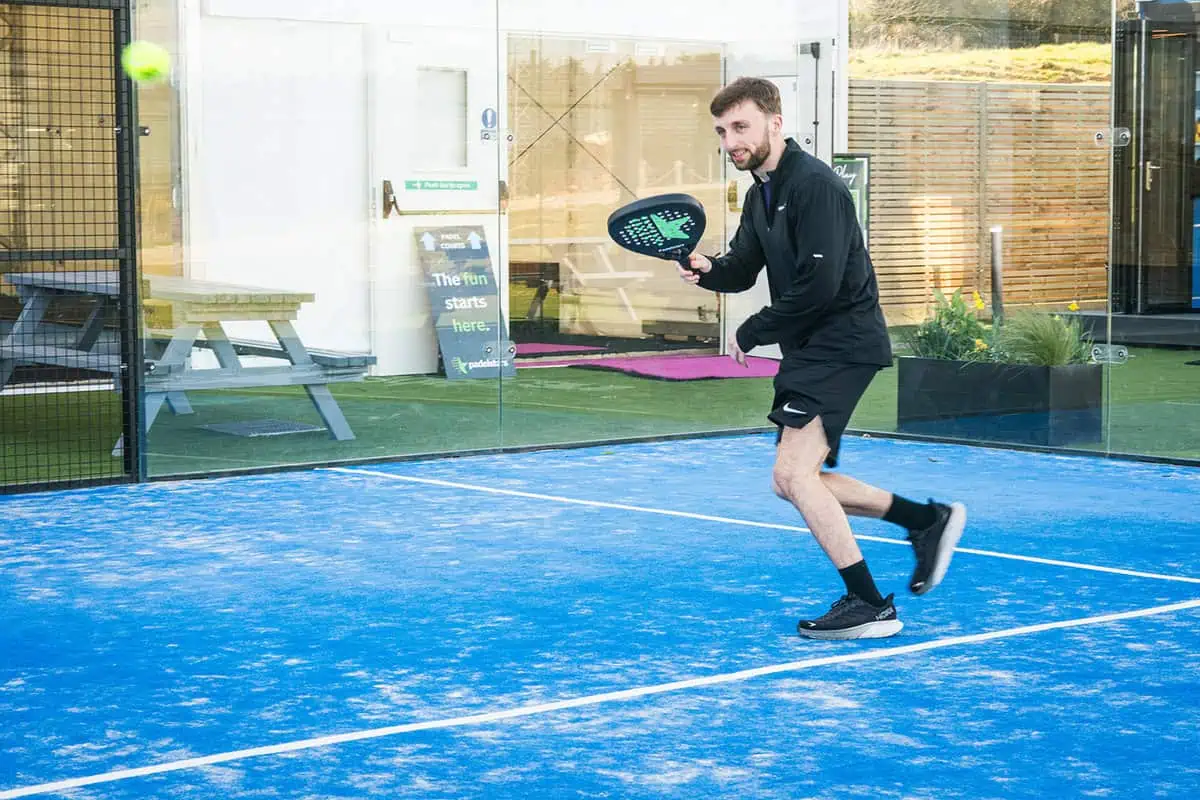
At Lofthouse, we prioritise high-quality materials to ensure durability, safety, and aesthetic appeal in padel court construction.
The playing surface should feature synthetic grass or artificial turf specifically designed for padel, offering a consistent playing experience with minimal maintenance.
Transparent glass or polycarbonate walls provide strength and clear visibility for spectators.
Robust steel or aluminium fencing enhances security, while energy-efficient lighting ensures optimal visibility and reduces operational costs. Careful material selection guarantees a premium, long-lasting court. Explore our guide on foundation requirements for padel courts.
Building Your Padel Court with Precision
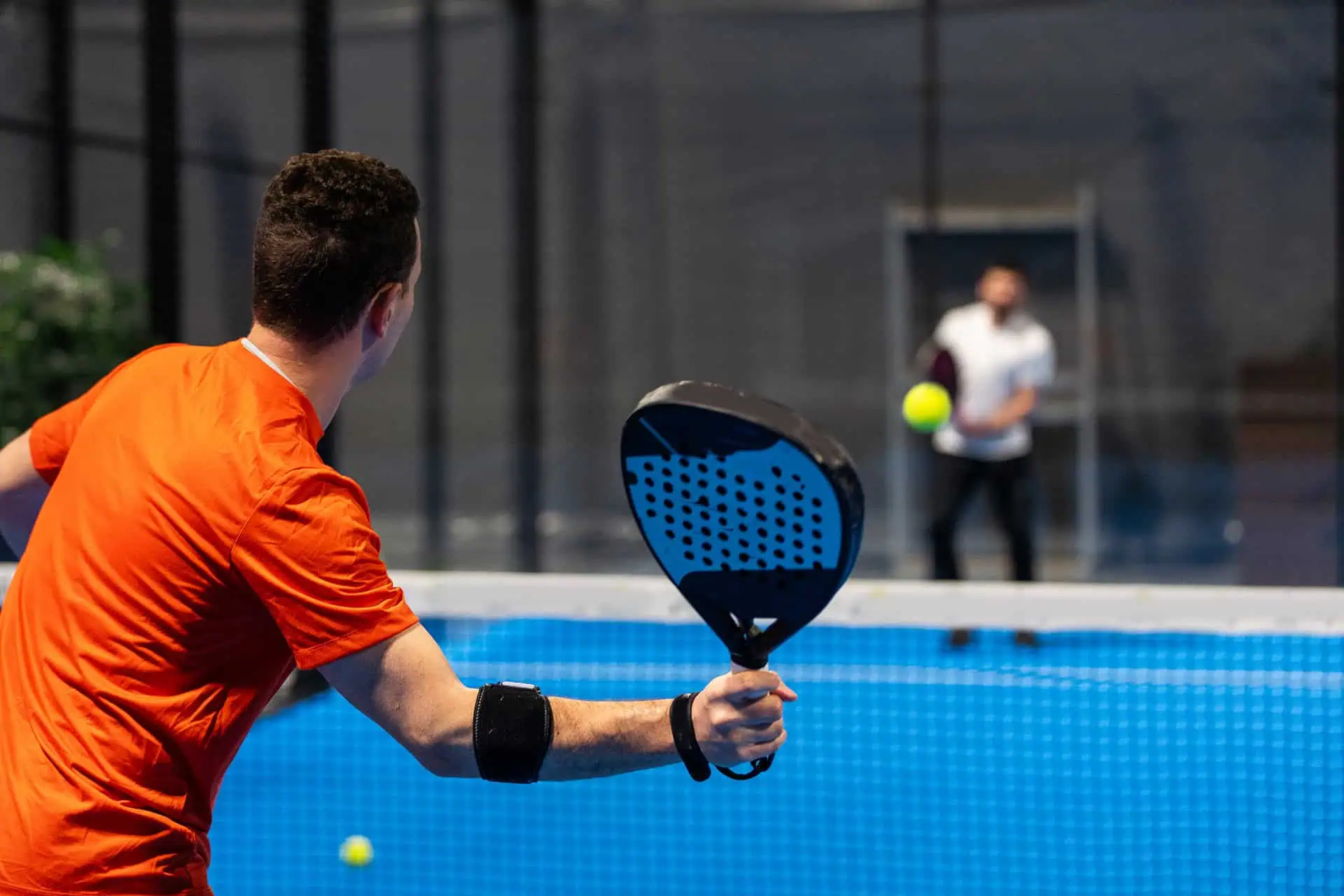
At Lofthouse, we uphold the highest professional standards at every stage of padel court construction, ensuring precision and quality throughout.
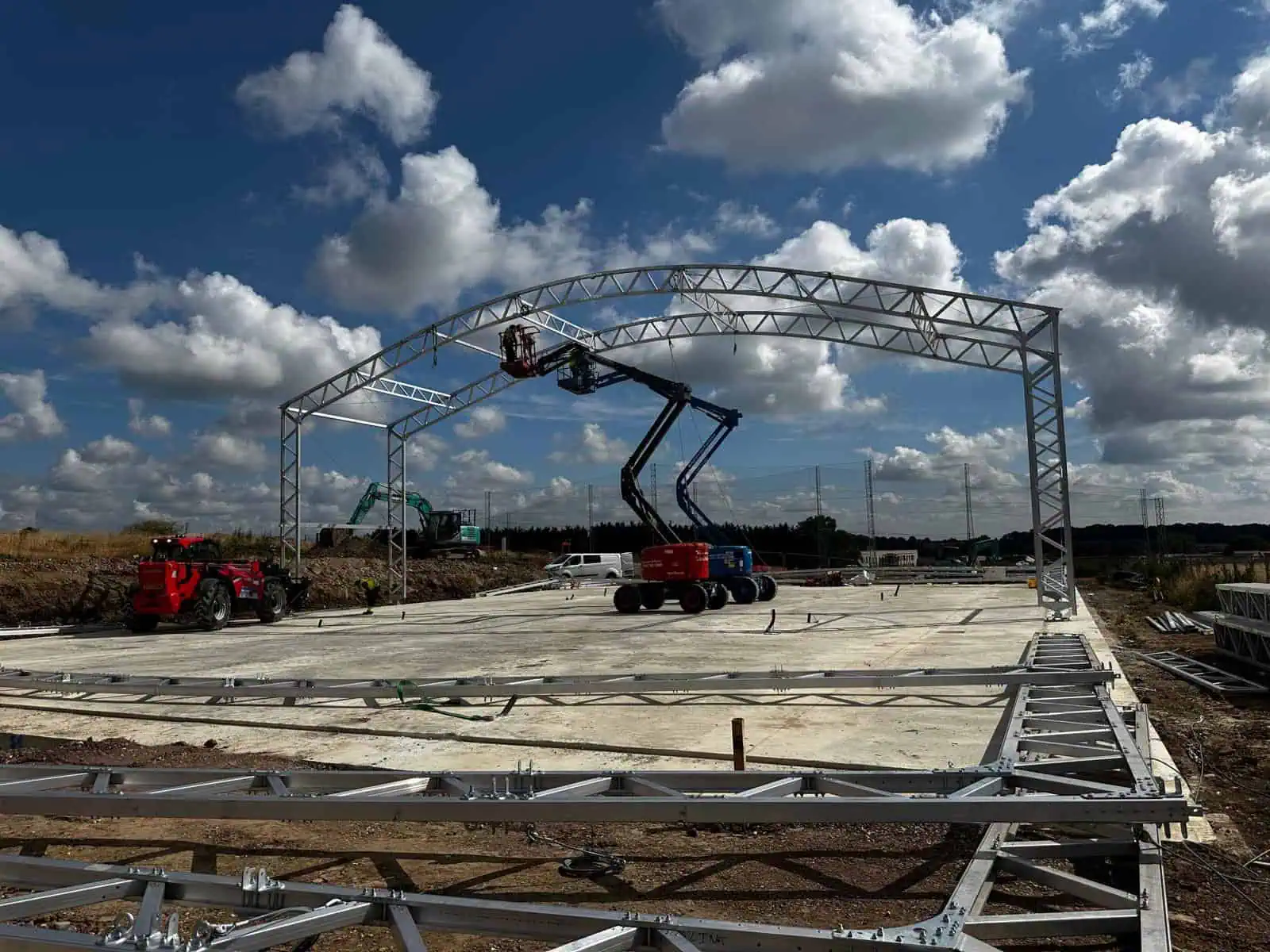
Our experienced padel court specialists oversee every detail, from site preparation to surface installation, guaranteeing a flawless finish. Compliance with local regulations is essential, addressing drainage, impact absorption, and structural integrity to enhance safety and longevity.
With expert craftsmanship and meticulous attention to detail, your commercial or residential padel court will be built to last, delivering a premium playing experience for years to come.
Essential Equipment for Your Padel Court
A well-equipped padel court enhances both functionality and enjoyment for players and spectators alike.
Key additions include a properly installed net system for precise play, along with scoreboards and comfortable seating areas for an improved viewing experience. Providing benches or designated seating enhances spectator comfort.
Strategically placed storage facilities keep rackets, balls, and maintenance tools organised and easily accessible. Thoughtful planning of these elements ensures a professional, welcoming environment for all users.
Frequently asked questions
Yes. Padel is often called padel tennis, particularly by people coming to it from tennis. It is the same sport and the same court, and we build to the same official dimensions whichever term you use.
Yes. Lofthouse is a member of SAPCA, the Sports and Play Construction Association, and is listed in its member directory. The LTA recommends that venues planning a padel court obtain quotations from SAPCA members, so it is worth checking membership for any builder you approach.
The playing area is 20 metres by 10 metres. You will also need room around it for access, fencing and maintenance, so the practical footprint is larger than the court itself. We assess the space available as part of planning each project.
Often, yes. A modular or temporary court can be installed over existing hard surfaces including tennis courts, without extensive groundworks. A permanent court is built on its own engineered base, so the existing surface is usually replaced rather than reused. Which route suits you depends on the site and how long the court needs to last.
Permanent padel courts generally require planning permission, and lighting columns, fence heights and noise are usually the points a local authority will focus on. Requirements vary by council and by site. See our guide to padel court planning permission.
Ready to build your padel court?
We provide our clients with comprehensive turnkey solutions, managing everything from initial planning applications and groundworks to full construction and finishing touches – so you can stay focused on the game.
Get a free consultation