Articles /

Padel, often hailed as the fastest-growing racket sport globally, is experiencing an unprecedented surge in popularity across the UK. This has led to a rapid expansion of new courts by padel court construction companies, appearing in diverse locations from private estates and established sports clubs to educational institutions, leisure centres, and significant commercial developments. The Lawn Tennis Association (LTA) reported a 300% increase in the number of padel courts between 2020 and 2023, with over 250 courts now operational and many more in the planning stage. However, before any ground is broken, a critical question invariably arises:
The concise answer is: almost invariably yes, though specific, limited exceptions exist. The comprehensive determination hinges on a multitude of factors, including the proposed location, intended use (residential vs. commercial), the presence of floodlighting, the height and nature of fencing, potential noise impact, and the overall scale of the development.
This authoritative guide meticulously details everything you need to understand about padel court planning permission in the UK. We will delineate precisely when formal approval is mandated, explore the rare instances where it may not be, and illustrate how engaging experienced contractors can significantly streamline and de-risk the entire planning process.
In the vast majority of scenarios, padel courts necessitate formal planning permission. This requirement is particularly stringent when the proposed development exhibits one or more of the following characteristics:
Nevertheless, it is crucial to acknowledge that there are highly circumscribed circumstances in which a padel court might qualify as permitted development, thereby avoiding the need for a complete planning application. Understanding these distinctions is essential before committing to any design or construction phase.

You will almost certainly be required to obtain planning permission if your outdoor or indoor padel court proposal incorporates one or more of the following critical elements:
Padel courts developed for:
They are unequivocally classified as a material change of use under UK planning legislation. Even if a site already possesses existing sports facilities, the introduction of padel courts frequently introduces new and distinct impacts (e.g., increased footfall, specific noise profiles, altered visual amenity) that local planning authorities (LPAs) are legally obligated to assess. This often requires a comprehensive planning application.
The incorporation of floodlighting is arguably one of the most common and significant triggers for planning approval. LPAs conduct rigorous assessments of:
Even on sites with existing sports courts, the installation of new or upgraded floodlighting almost always requires explicit planning consent due to its potential environmental and amenity impacts.
Modern padel courts are characterised by their robust construction, which typically includes:
These substantial elements are unequivocally considered engineering operations and constitute significant structures. Consequently, they typically demand planning approval, particularly when situated in visually prominent or residential locations where their bulk and appearance can have a notable impact on the street scene or local character.
Padel generates a distinctive acoustic signature, primarily due to:
LPAs frequently mandate comprehensive noise assessments (often conducted in accordance with BS 4142:2014+A1:2019) to quantify potential impacts, especially when courts are sited in close proximity to residential properties. Mitigation measures, such as acoustic barriers or restricted operating hours, are often conditions of approval.
Padel courts proposed within:
Are subjected to a significantly higher degree of scrutiny compared to those in more remote rural or countryside settings. This is primarily due to the inherent proximity to existing neighbours, the potential for cumulative impacts on amenity, and the need to preserve the character of built-up areas.
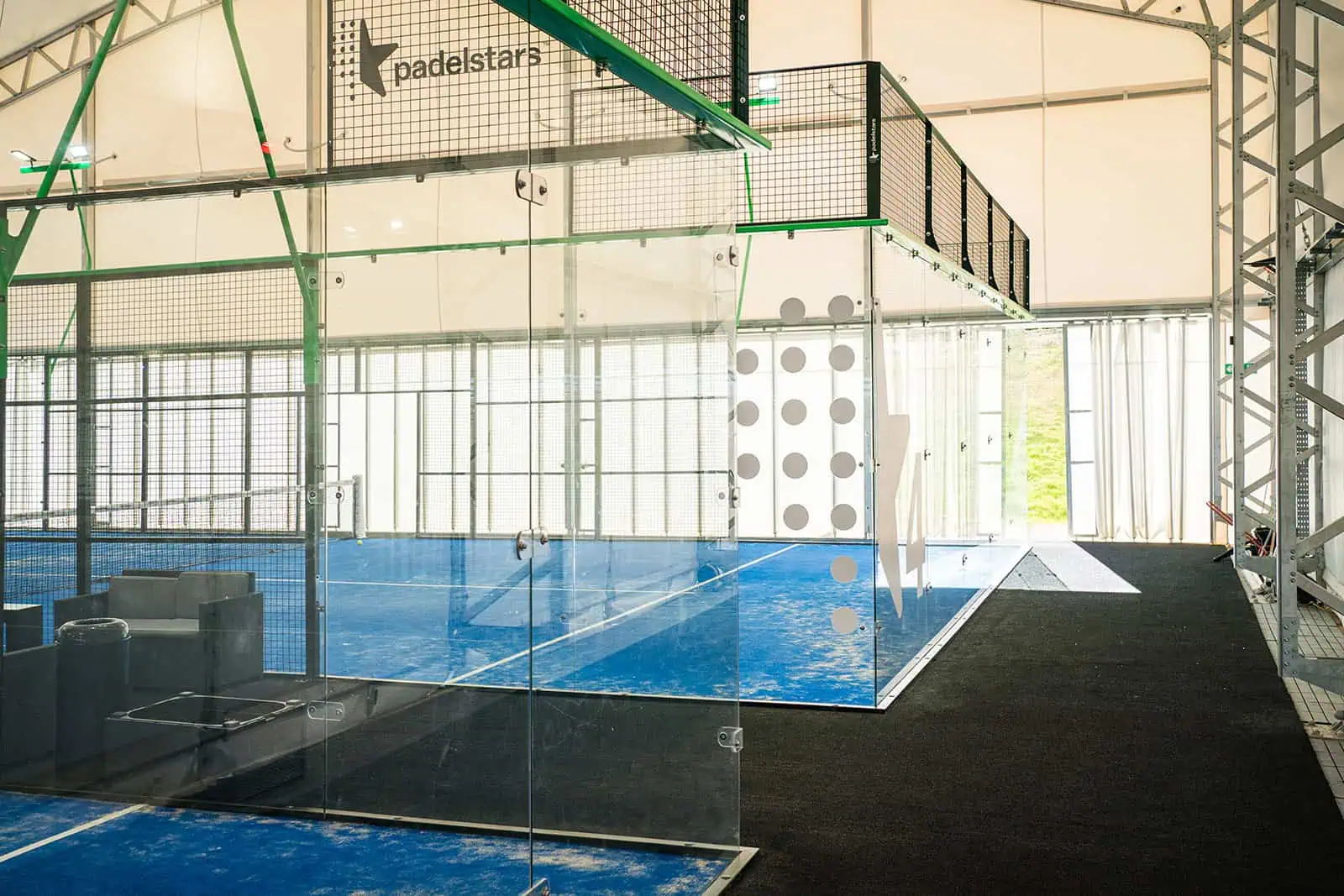
There are a few highly specific and limited scenarios where planning permission may not be necessary. However, it is absolutely imperative that these circumstances are confirmed on a case-by-case basis with the relevant LPA, ideally through a Lawful Development Certificate application.
A padel court constructed:
May potentially fall under permitted development rights. However, this is not an automatic entitlement. Councils will still rigorously consider:
Given the complexity, many homeowners prudently choose to apply for a Lawful Development Certificate (LDC). An LDC provides formal, legally binding confirmation from the council that the proposed development does not require planning permission, offering invaluable certainty.
Where a site already benefits from:
There may be a stronger argument that a padel court constitutes a compatible sporting use. Even in such cases, however, significant alterations, such as the introduction of glass walls, new fencing, or particularly floodlighting, will frequently still require a full planning application due to their distinct impacts.
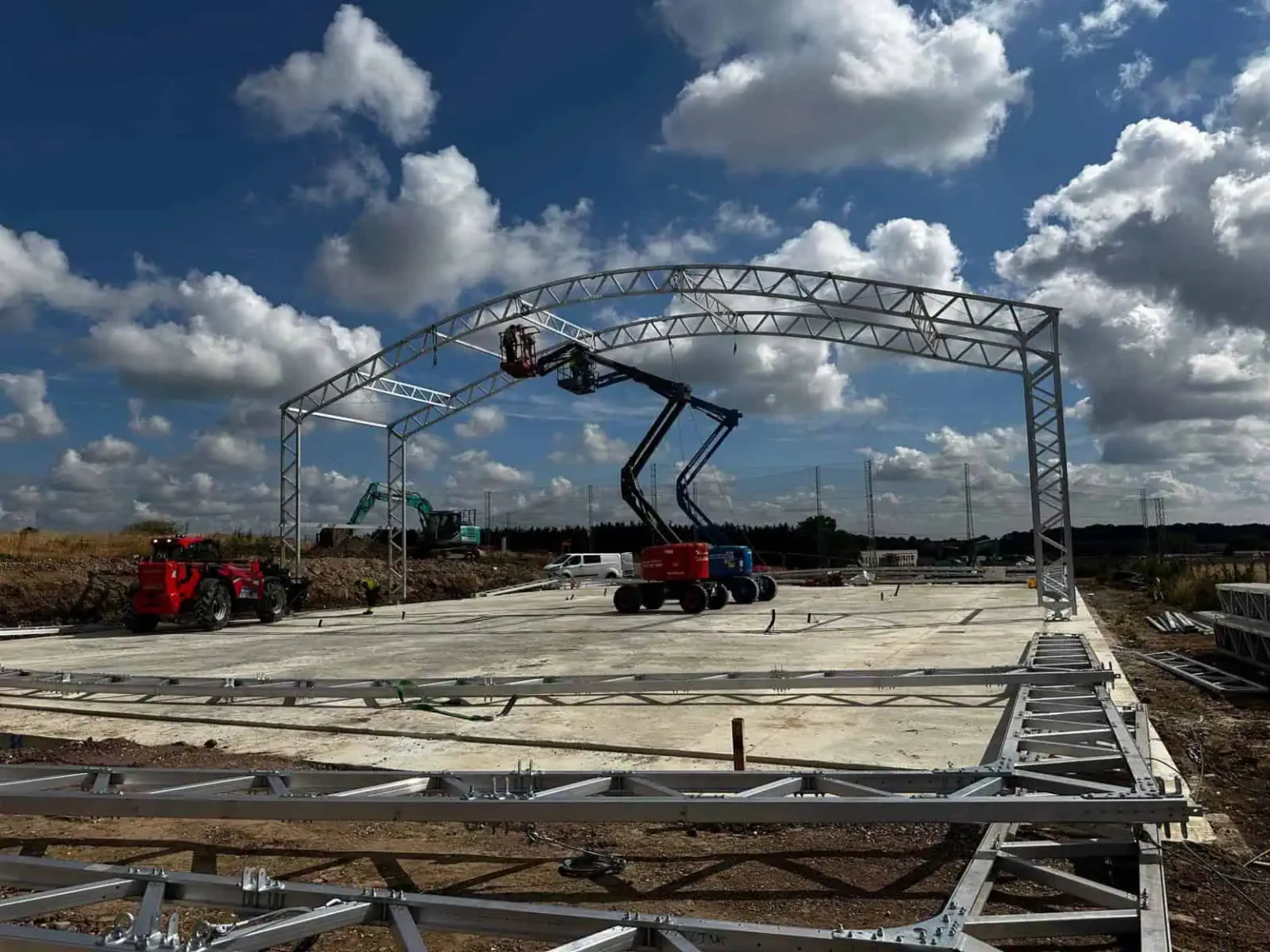
Local planning authorities undertake a comprehensive review of padel court applications, typically focusing on the following critical areas:
A significant proportion of planning approvals for padel courts include restricted operating hours, particularly for evening and weekend play, to safeguard residential amenity. These conditions are legally binding.
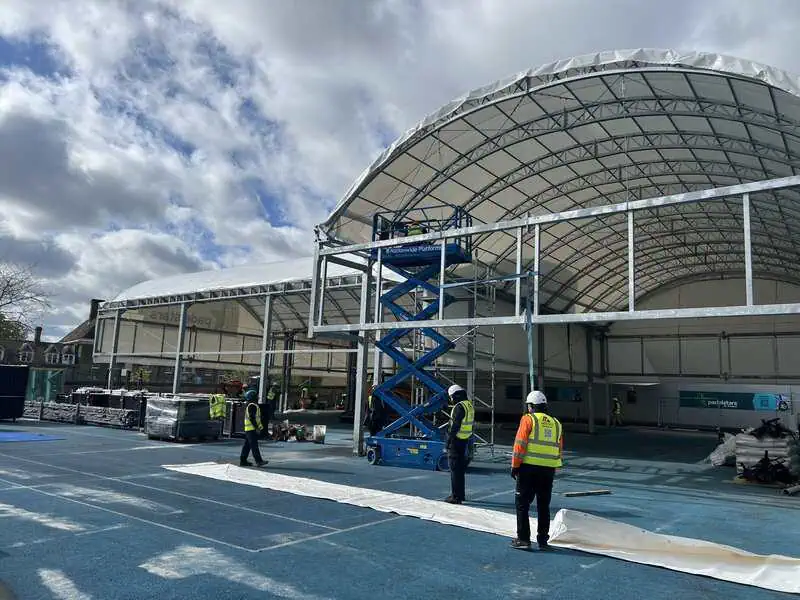
Planning outcomes and specific requirements can vary significantly across UK regions and local authorities.
Urban authorities typically apply:
Despite these rigorous standards, councils in major urban centres are increasingly supportive of padel as a valuable health, leisure, and community asset, particularly when applications are meticulously prepared and demonstrate clear community benefits.
These areas often necessitate a careful balance between:
Sensitive design, thoughtful siting, and comprehensive landscaping strategies play a paramount role in securing approvals in these contexts.
Padel courts proposed within Green Belt land, Conservation Areas, Areas of Outstanding Natural Beauty (AONBs), or National Parks face additional, often significant, planning hurdles. While approvals are more challenging, they are still achievable with robust justification demonstrating exceptional circumstances, careful siting to minimise harm, and designs that respect the special character of these protected landscapes.
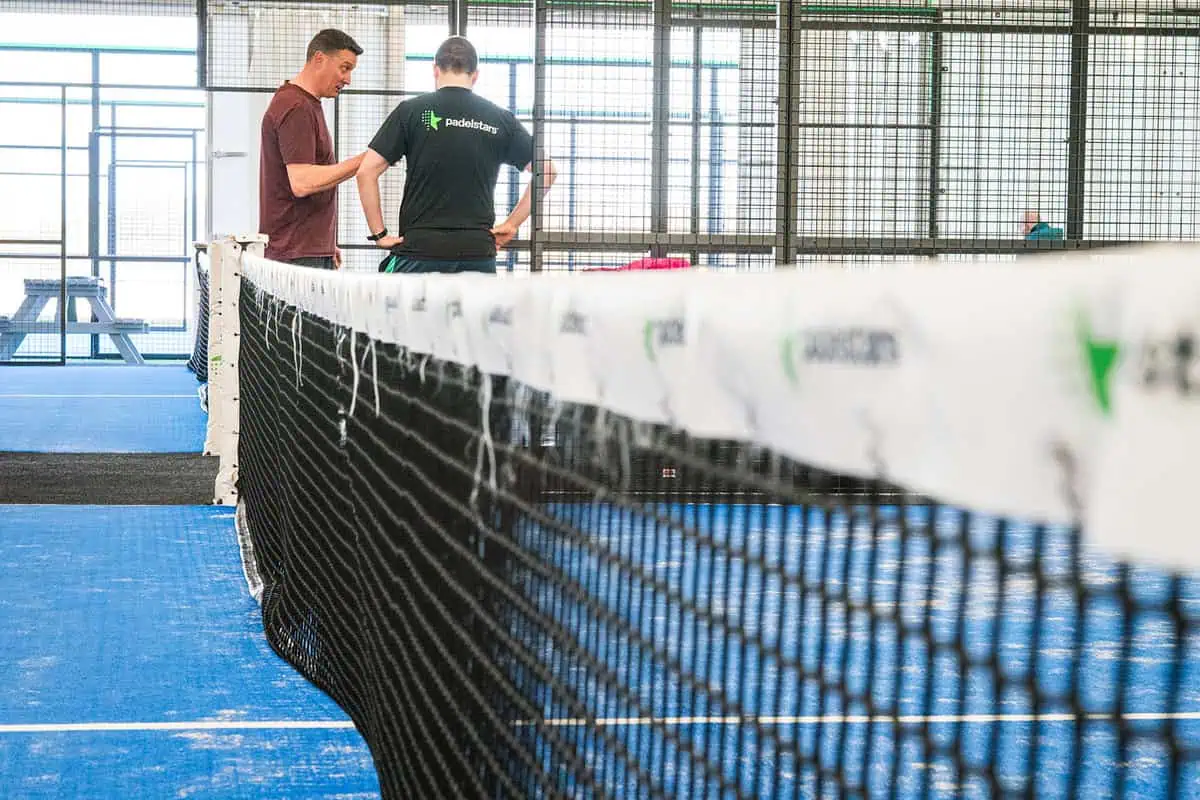
Approved padel court developments are almost invariably subject to a range of planning conditions designed to mitigate potential impacts. These commonly include:
Understanding these potential conditions at the earliest stages is critical, as it directly informs design decisions and can prevent costly retrospective changes or delays later in the project lifecycle.
While the local planning authority exclusively grants formal planning permission, the expertise of experienced padel court specialists is invaluable. They can provide critical support by:
This integrated, proactive approach significantly enhances the prospects of securing planning approval and substantially reduces the likelihood of costly delays or refusals.
In most complex cases, the design and planning processes should progress concurrently and iteratively. Attempting to finalise a design without considering planning constraints, or conversely, applying for permission with an underdeveloped concept, is a common pitfall. Early planning decisions also influence budget, which is why many developers use a padel court cost calculator alongside feasibility and planning assessments.
Early technical input from specialists ensures that:
Attempting to retrofit a design after a planning refusal almost invariably leads to significant compromises, increased costs, and extended project timelines. A strategic, integrated approach is paramount.
Consult Our Padel Planning Experts Today
Whether you are developing a commercial padel facility, expanding an existing sports venue, or considering a private residential court, understanding and navigating planning requirements is the most critical first step. Please don’t leave it to chance.
Working with experienced padel court specialists ensures your project is designed responsibly, planned correctly, and delivered efficiently, with all planning considerations meticulously addressed from day one. This proactive approach is the cornerstone of a successful padel court development.
Looking to bring padel to your home, school, or sports facility?
At Lofthouse Padel Court Specialists, we design and build premium courts tailored to your space, goals, and budget. From planning permission to professional installation, we handle everything with expertise and care.
Get in touch today to start your padel court project with trusted UK specialists.


We provide our clients with comprehensive turnkey solutions, managing everything from initial planning applications and groundworks to full construction and finishing touches - so you can stay focused on the game.


Registered in England & Wales | Company No. 11269888 | VAT No. GB 30 1554 934 | Privacy Policy
Powered by Construct Virtual website design and hosting
With over 20 years of experience in the construction and housebuilding industry, Richard has led Technical, Planning, and Design teams for construction and PLC housebuilders. Having assisted in the delivery of key developments such as Kew Riverside and Grosvenor Dock in Chelsea, and managing projects ranging from 50 to 750 homes, complete with schools, sports facilities, and retail units.
His experience spans bespoke high-end homes, retail and commercial schemes. He has also contributed to innovative projects like the Northstowe new town near Cambridge and is a strong advocate for modern construction methods.
With over 25 years of experience in finance and office management across sectors including healthcare, logistics, and construction services, Carole has overseen full finance functions for organisations ranging from SMEs to multi-site charities. She has managed payroll for over 130 employees, implemented credit control procedures, and prepared management accounts through to trial balance.
Her experience spans both strategic financial oversight and hands-on administration, including bank reconciliations, pension submissions, budget management, and diary coordination. A proficient user of payroll and accounting software, she has also liaised with external accountants to ensure smooth year-end processes and compliance with tax regulations.
Carole is a highly adaptable professional, with a strong background in credit control, payroll, and office operations, and is valued for her attention to detail, reliability, and ability to streamline processes in fast-paced environments.
With over 30 years of experience in the construction industry, Kevin is a seasoned Contracts Manager specialising in RC concrete frames and groundworks. Starting his career on-site and progressing through roles in both construction and contracts management, he brings a deep understanding of every phase of project delivery.
Notable high-profile projects that he has worked on include Battersea Power Station and the O2 Arena, where he played a key role as a construction manager. In addition to commercial landmarks, Kevin has also contributed extensively to residential construction, overseeing the groundworks and installation of superstructures for private bespoke homes.
His dedication to quality, safety, and efficiency continues to drive excellence across all aspects of his work.
James Bourke brings 30+ years of experience in the construction industry, managing groundworks projects exceeding £100 million. As London Regional Director at O’Keefe Construction, he scaled the business unit from £12 million to £60 million in turnover. At Deep Contractors, he launched a business unit generating £20 million in profit.
His portfolio includes prestigious developments such as:
James’s leadership has been instrumental in driving growth for clients such as Vastint, Barratt, and Berkeley Homes.
After graduating from Cardiff University, Ryan joined Walsh Associates as a structural design engineer, focusing on high-rise reinforced concrete structures in London.
He later became a project engineer, managing key developments like Lombard Square (1,750 units) for Berkeley Homes and Ballymore. His role involved liaising with contractors, ensuring design information met project deadlines.
Now transitioning to the contractor side, Ryan aims to leverage his consultancy experience to bring a fresh perspective and enhance efficiency in the fast-paced construction industry.
Jayne brings extensive business expertise to Lofthouse Construction Group, having successfully founded, expanded, sold, and integrated businesses in her role as Chief Operating Officer.
She led key functions—including Finance, IT, Marketing, HR, Legal, Administration, and Project Management—driving innovation and operational excellence.
At Lofthouse Construction Group, she is focused on implementing structured processes, systems, and disciplined approaches to support the company’s rapid growth and exceptional team.
Steve brings 35+ years of experience in the construction industry, specialising in grounds, basements, and concrete frames of up to 14 stories.
He has successfully managed numerous multimillion-pound projects for leading companies such as Balfour Beatty, Kier, Wates and Taylor Wimpey, overseeing teams with 110 personnel.
He has 35+ years in property development, specialising in bespoke projects like luxury apartments.
His roles at Antler Homes and Millgate Developments have refined his expertise in procuring high-end materials.
As Procurement Manager, he ensures superior quality and value across all projects, enhancing client satisfaction.
Daniel has 18 years of experience in the construction industry, with strong expertise in Estimating, Commercial Management, and Structural Steelwork. He has worked across Groundworks and RC Frame projects from design to installation, managing sub-contract packages exceeding £5 million on high-rise residential developments in London, as well as major rail and commercial projects including Crossrail, Heathrow, and Gatwick Airports.
Sharp, with an inquiring mind and prodigious attention to detail, Ann's successful career started in the world of banking, with roles in financial advice and management.
This expertise was put to excellent use, enabling a move into high-level finance and accounting recruitment for investment behemoths such as Citibank, Deutsche Bank, Merrill Lynch and technology giant NTL.
After taking a career break, she played a significant role in developing two bespoke, accessible homes while raising two beautiful children.
Ann's focus is now on talent acquisition, retention, and systems management in the demanding Lofthouse Residences HR & Operations Manager role.
He has 30+ years of experience in construction.
As Commercial Director (QS), he oversees project stages from acquisition to completion.
Previously, he was Senior QS at Millgate Homes and Partner at Quantum Merit Associates.
His expertise drives profitability and operational efficiency for sustainable growth.
Paul Beaney has 30+ years of experience in the construction industry, beginning his career at Berkeley Homes before becoming Managing Director at Millgate Homes.
During his tenure, he contributed to the rapid growth of the company, overseeing the construction of over 1,200 homes, which ultimately led to Millgate Homes' acquisition by Countryside.
Currently, as Strategic Director at Lofthouse Residences, Paul leverages his extensive network of suppliers, subcontractors, architects, and land agents to shape the company’s long-term vision.
His strategic insights and industry expertise are vital for driving continued success and ensuring robust growth in a competitive market.
David Lofthouse brings 20+ years of investment banking experience to the construction industry, seamlessly transitioning his financial expertise into luxury property development.
After successfully creating two bespoke luxury homes, he founded Lofthouse Residences, driven by a vision to transform the sector.
David leverages his strategic insight to establish a business that offers concierge-level service, setting new benchmarks for innovation, creativity, cost-efficiency, and quality.
His commitment to excellence and ability to navigate complex financial landscapes position Lofthouse Residences as a leader in the luxury market, ensuring sustained growth and exceptional value for stakeholders.